Environmental & Social
RESPONSIBILITY
Transparency is fundamental to responsible infrastructure development, and this is a commitment we uphold at TAA. As a result, environmental and social considerations have been integrated into project planning and decision-making from the earliest stages of development. Assessments have been undertaken to identify potential impacts, evaluate alternatives and establish measures that avoid, minimise or manage environmental and social risks throughout the construction and operation phases.
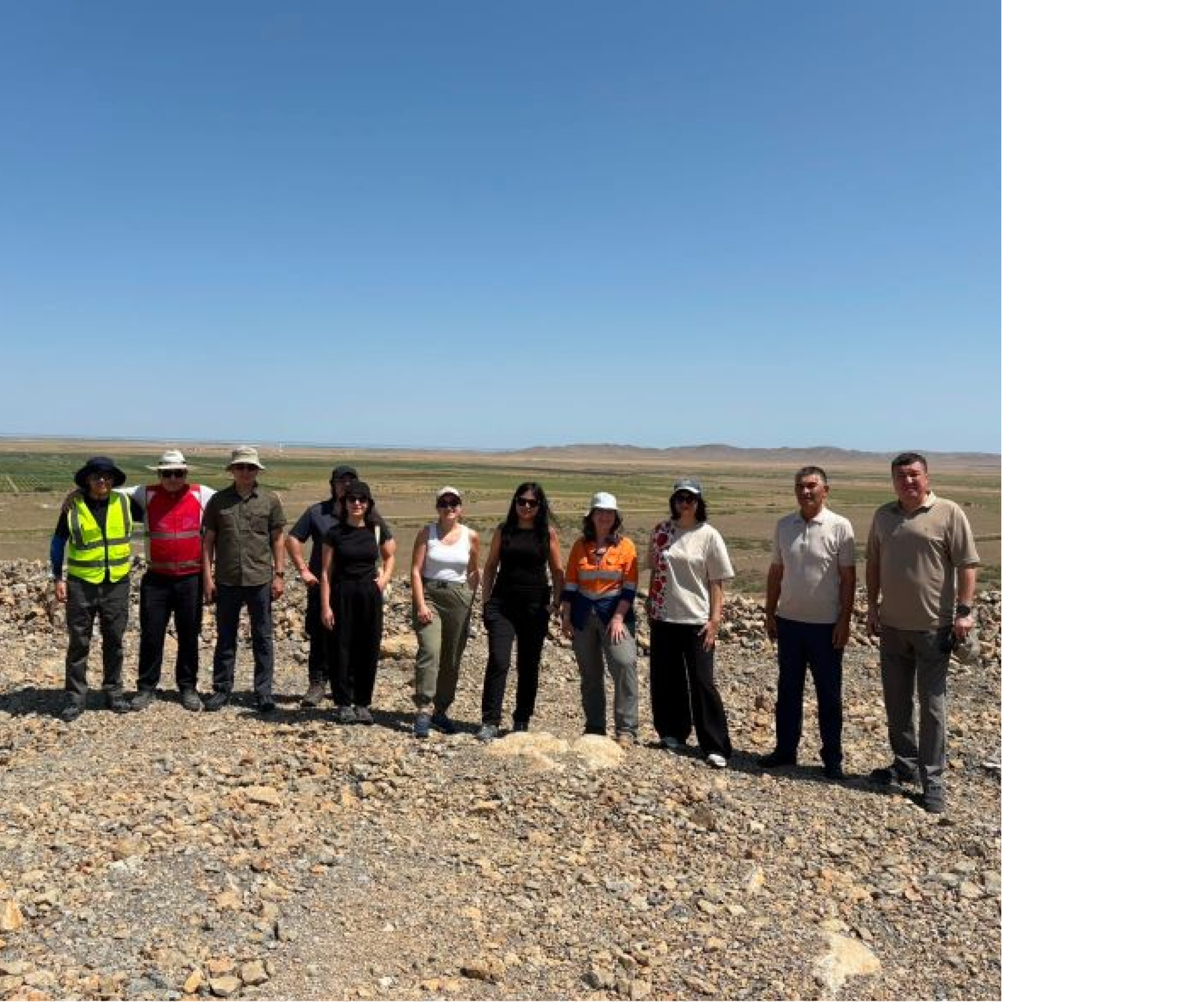
Environment & Social Assessments
Comprehensive environmental and social studies have been completed to understand the potential impacts of the airport and identify appropriate mitigation and management measures. These assessments consider a range of topics including:
- Land use and resettlement
- Biodiversity and ecosystems
- Air quality and noise
- Water resources
- Traffic and transport
- Community health and safety
- Cultural heritage
- Labour and working conditions
- Socio-economic impacts
Disclosure Documents
The findings of the assessments are documented in the Environmental and Social Impact Assessment (ESIA) and associated management plans.
Environmental & Social Impact Assessment (ESIA)
The ESIA assesses the potential environmental and social impacts associated with the development of the New Tashkent International Airport and outlines measures to avoid, minimise, mitigate and monitor those impacts throughout the airport lifecycle.
Resettlement Action Plan (RAP)
The RAP explains how land acquisition, compensation, livelihood restoration and physical and economic displacement are managed. It outlines our commitment to fair treatment, consultation and support for affected people and households in line with applicable national legislation and international standards.


Stakeholder Engagement
Meaningful engagement with stakeholders is an important part of the airport's development. TAA engages with affected communities, local authorities, businesses, civil society organisations and other interested stakeholders throughout the airport lifecycle. Stakeholder feedback is reviewed and considered as part of project planning and implementation. Engagement activities may include:
- Public information sessions
- Community consultations
- Focus group discussions
- Stakeholder meetings
- Document disclosure activities
- Feedback and grievance management
Grievance Redress Mechanism
Raising a concern
TAA has established a Grievance Redress Mechanism (GRM). This mechanism allows any stakeholder to raise questions, concerns or complaints regarding any aspect of the project.
The key principles of the Grievance Redress Mechanism (GRM) are:
-
Accessible
Concerns can be submitted orally or in writing at community offices, through the telephone hotline, or by contacting the designated responsible persons listed on the contact page.
-
Confidential
All submissions are handled confidentially. Anonymous complaints are also accepted, and the personal information of complainants will not be disclosed.
-
Free of charge
Complaints can be submitted at any stage, and no fee is required.
-
Safe
Filing a complaint does not affect a person's eligibility for compensation or any other rights under the RAP.
-
Timely
All complaints are acknowledged within 7 working days and reviewed within 14 working days. Complex or sensitive cases are reviewed within 21 working days.